
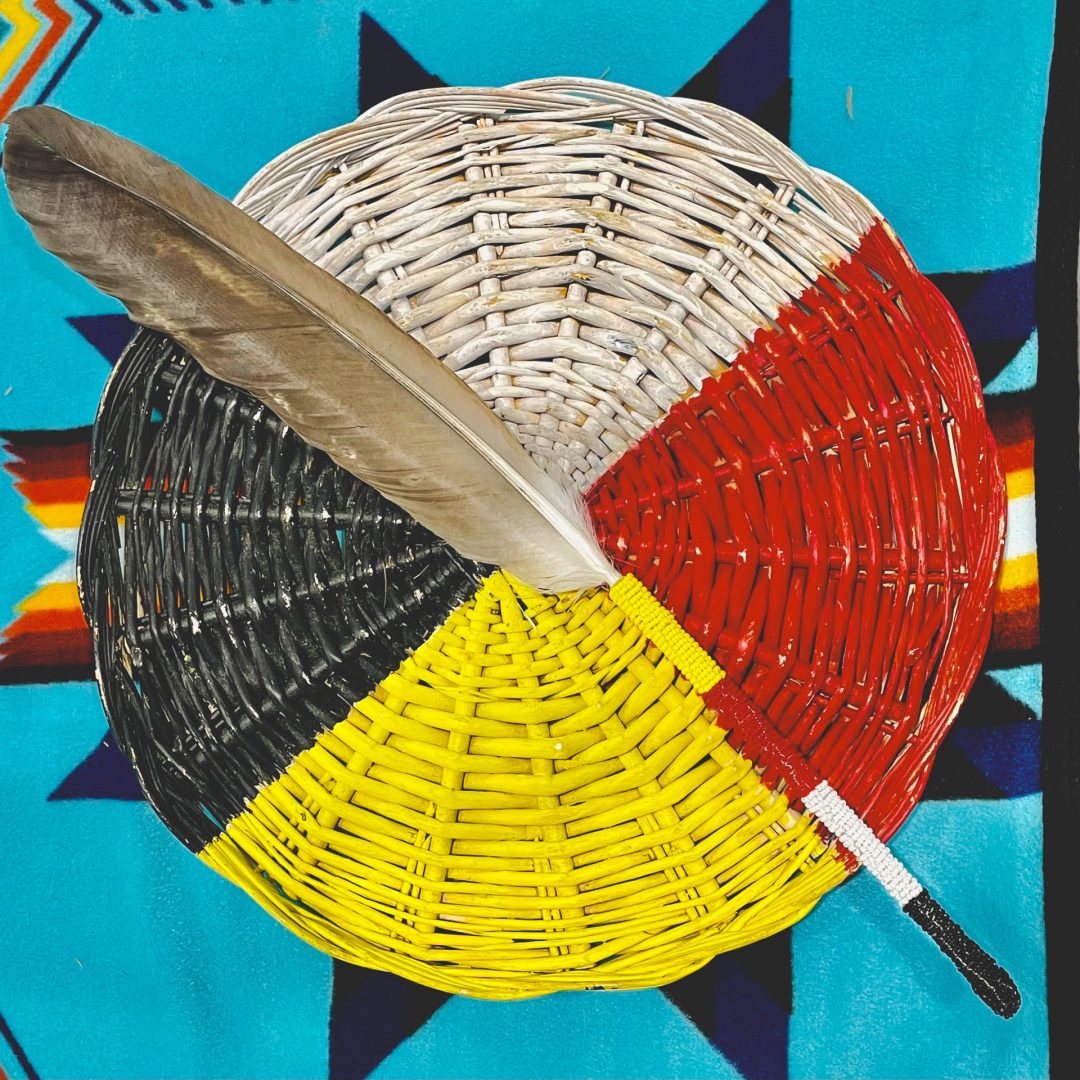
The passage of the Autumn Equinox is a reminder from the cosmos that we are halfway to the shortest day of the year, and the beginning of Winter. It has been a day of significance for many cultures around the world that has real meaning for all life on this planet, unlike many of our modern holidays. The animals and plants care little for our thanksgiving celebrations, but they take note as daylight wanes, as many animals begin to prepare for hibernation and plants begin to shed their leaves.
Many modern humans regard nature as separate, as something random and chaotic. This is not true. There is an order to nature. And no matter what technology we may develop, we are, and have always been, just as much a part of that order as all other life on this planet, and we ignore this fact to our detriment. To cultivate balance with our environment, we must honour the rhythms of nature and cultivate a relationship with our surroundings. A relationship with the Land. But how?
One area that we can start with is our regular diet; the foods we eat, how they’re prepared, and where they come from. What greater form of communion with nature is there but to take in a diverse sampling of food from the Land upon which we live? Consider both the Cree worldview and the words of Japanese philosopher Ekken Kaibara, presented in the graphics below.


The wisdom in both of these eastern and western perspectives have inspired me, and true to my Metis, “mixed blood” heritage, I employ a blended approach to diet and lifestyle, combining eastern and western perspectives with both modern and traditional practices. I will be sharing more in-depth about these perspectives and practices at my nutrition coaching website wholehuman.me, as Jenny and I continue to apply these perspectives and practices in our own lives.
Leave a Reply